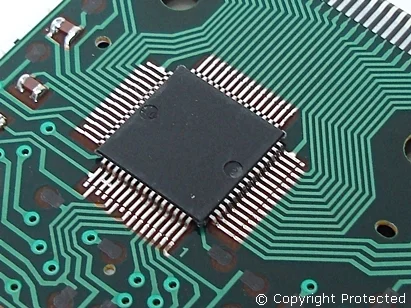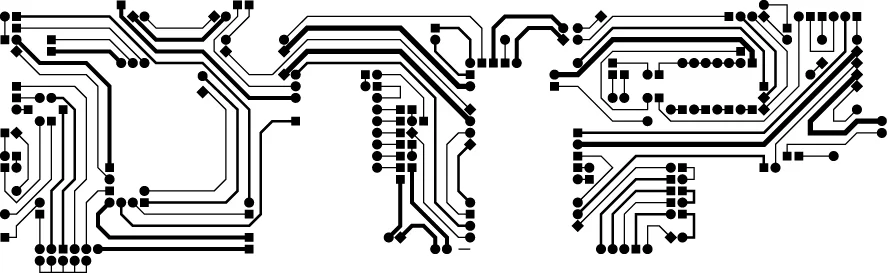
Transistors in integrated electronic circuits are shrinking, according to Moore's law doubling in density every 18 months.
This is the result of a consistent feedback between scanning and printing, sensing and actuating. As we constantly increase our ability to zoom in, we can get more information dancing on the same amount of material.
In electronic terms, smaller wires means higher frequency operation, as well as greater information density and miniaturisation – the performance strives towards the speed of light impeded by the coarse electronic components far in excess of the size of electromagnetic waves.
For reference, the iphone launched in 2006 has similar specifications to the Cray XMP supercomputer of 1988, which was the fastest computer at the time used by approximately 50 scientists on a timeshare system.
Older designs of digital embedded devices subjected to constant reduction in cost and size are now shrinking out of sight, whether GSM mobile phones or video cameras.
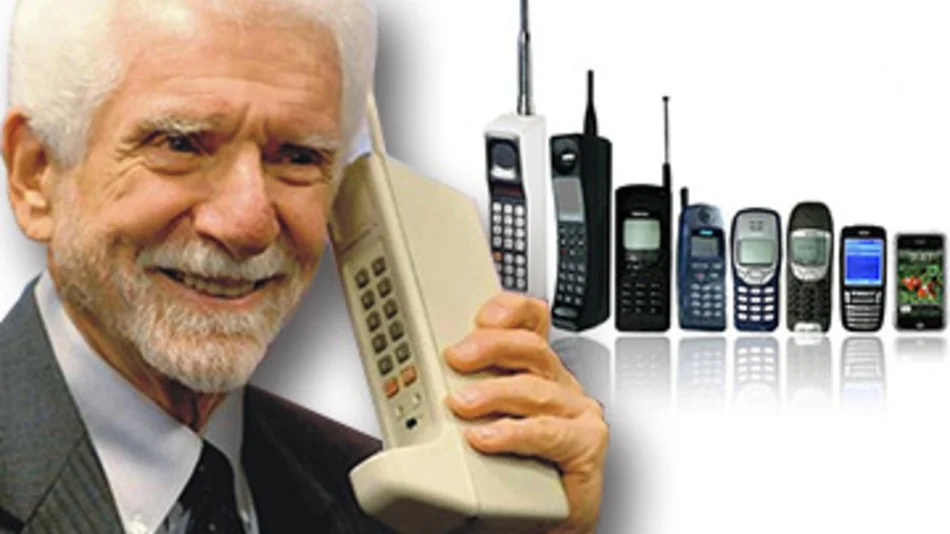
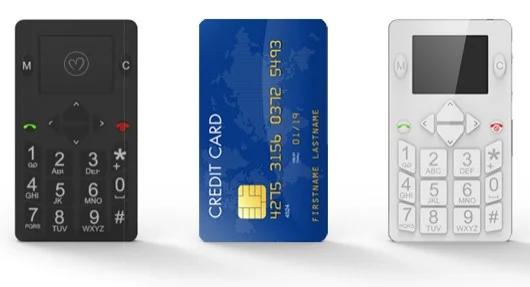
Just like a cake halving in size, after 20 halvings from the original cake, in practice all you really see is a few crumbs.
As the devices shrink, they often infiltrate other devices.
The array of disposably-priced computerised sensors which are appearing in commonplace devices result in the potential for privacy invasion – information leakage.
There occurs a latency in perceived function when the economics of technology drive the internal design far more aggressively than the users are comfortable with.
A computer-driven LCD panel is often branded as nothing more than a television or a telephone.
We are convinced that this is a misrepresentation of the technology and its true potential to the user.
Ultimately the cumbersome housings and trailing cables of dinosaur computing will end. It is likely that the computers and sensors will be so small we will not find them obtrusive.
Quite often devices can be shrunk so small relative to a human being that they become completely inoperable and are sold as novelty items, or put into christmas crackers or christmas cards.
As the circuitry of the computerised devices shrinks from sight, after a while there is so much shrinkage that all we see in the operation of the device is the interface.
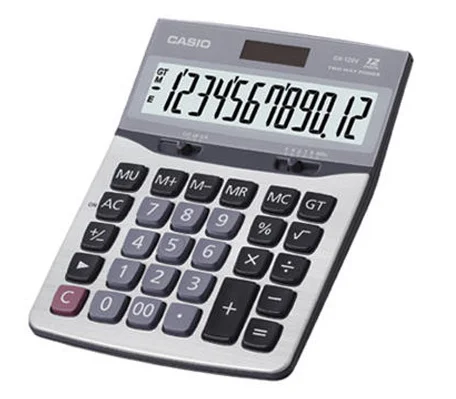
A contemporary digital calculator's size as of the 1990s has been mostly defined by the buttons and the display, in electronic terms each button is millions of times the volume it would need to be at this point to function electronically, but fingers are the same size as ever, so a hardware control is sized for the finger – each button is far larger than the electronic structure driving the calculations.
The size of a pocket calculator is largely influenced by the size of the mechanical interface, in the case of casio's design, they are employing large push-buttons.
In the case of computers, the interface is being improved and reduced to a non-mechanical massless state by replacing the persistent and energy-invested mechanical contact switches with an optical sensing system and a projected information interface. The tangible form of the mechanism or interface can become at its most extreme massless and sizeless : purely energetic.
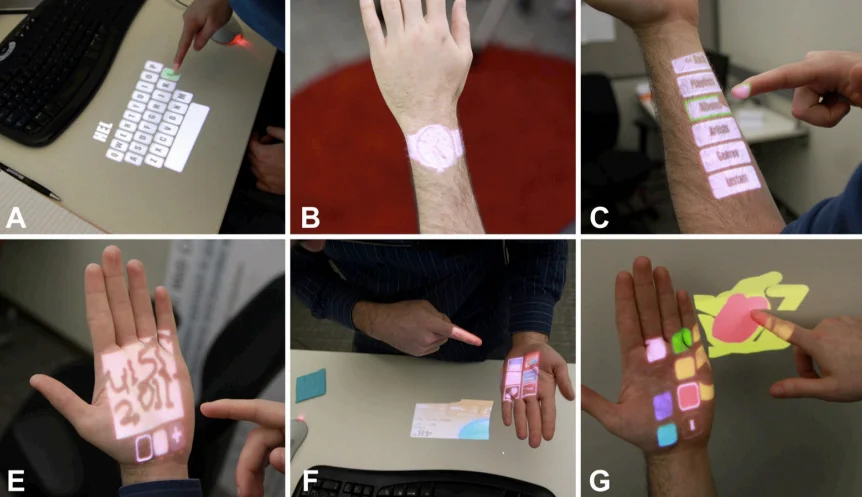
The solar power supply for the Casio calculator is currently smaller than a person's finger, and perfectly sufficient to power a display larger than the original substantial electronic calculator's display. The electronic computer is a photonic rather than mechanical device, by this virtue it's arguable that the mechanical buttons are an afterthought rather than a necessity.
Photonics is driving the advance of telecommunications infrastructure. Bell Labs put forward Butters’ Law of Photonics or Wave Division Multiplexing, a formulation which parallels Moore’s Law. According to Butters’ Law, the cost of transmitting a bit over an optical network decreases by half every nine months (rather than Moore's law of exponential component packing's doubling useful capacity every 18 months. During experiment, Bell Labs crammed 1000 wavelengths or channels down one fiber seeing no reason why they couldn’t transmit 15,000 wavelengths per fiber.
Future photonic or pure-optical computers may render myriad programmable functions, and may eventually be thought of as lenses employable in visible and invisible, and applied for material purposes or massless / informational purposes.
Neither cost, size nor weight will be significant functional restrictions.
Thin film technology – using or involving a very thin solid or liquid film – the evolution of painting and printing– was originally too difficult and expensive for mainstream computing.
Today thin film technology is fundamental not only to solar panels, but most notably LCD screen manufacturing, also potentially producing new types of quantum computer processing devices.
Programmable devices of tremendous photonic, electronic, magnetic, or kinetic power could come in many shapes or sizes in the future, the current areas of exploration indicate an experience and range of functions far beyond that of a pocket or desktop calculator:
Spintronics
Universal & High Performance Memory
Light-emitting Organic Field Effect Transistors
In the future, what may be possible using paper or imprinted films illuminated by the light of day may stretch far beyond human-readable information, forming large scale intelligent electromagnetic "solar sails" or "flat lenses" capable of a multitude of functional purposes.
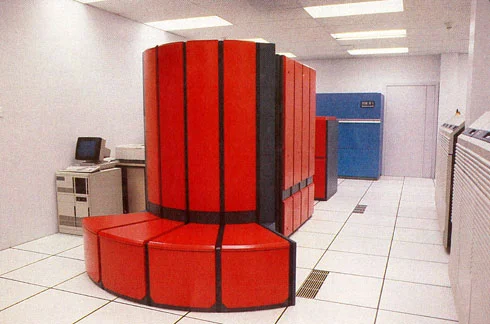
1988
$15m minimum per installation,
4X 167MHz 32 bit CPU
512Mb RAM
4GB SSD Storage
Weight: XX tonnes
Power Supply: hungry
Production Numbers: small
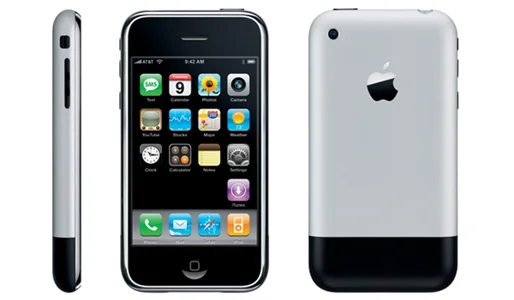
2006
$500 per installation,
Samsung 32-bit RISC ARM 1176JZ(F)-S v1.0
620 MHz Underclocked to 412 MHz
128Mb RAM
4GB SSD Storage
Weight: 0 tonnes
Power Supply: built in
Production Numbers: 1 million units delivered in 74 days
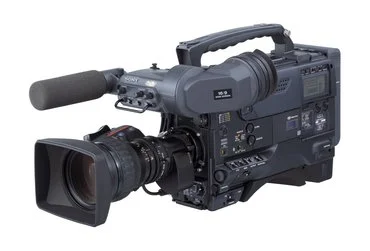
Sony Digibeta HD camera
$14,000
1997
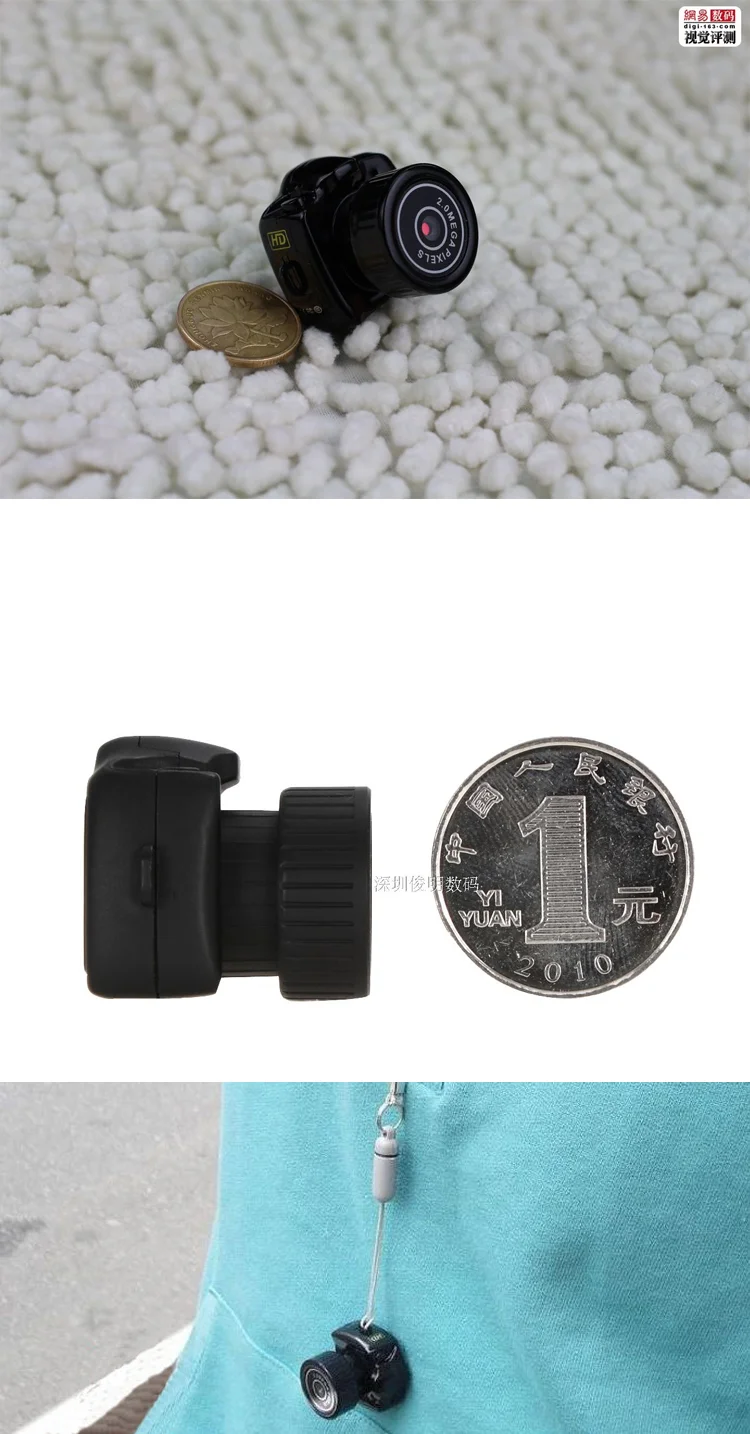
'Shenzhen Special' ebay micro HD camera
$25
2014
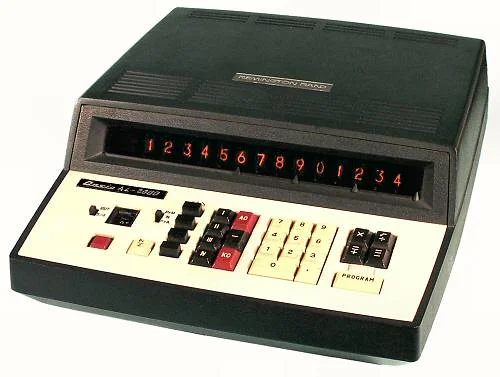
1967
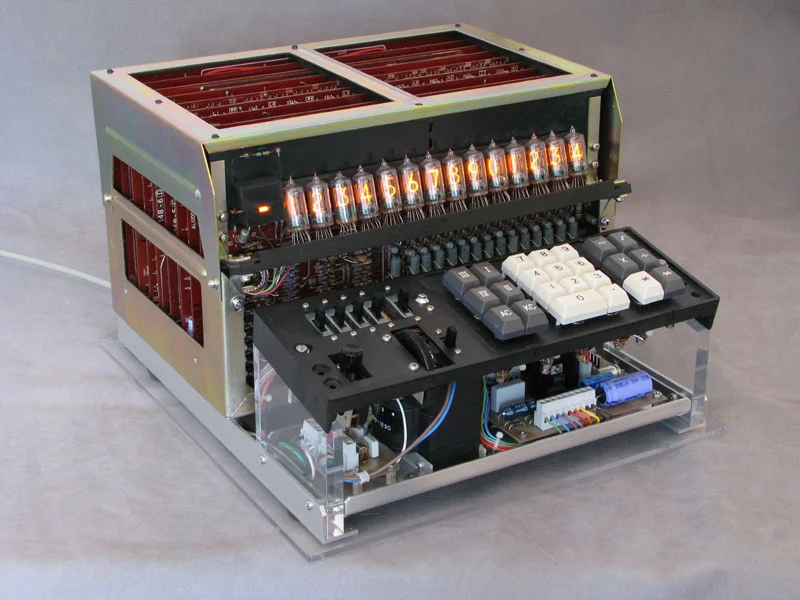
Casio AL1000 electronic calculator
first mass-produced programmable electronic calculator
4 functions, square root, memory, programmable.
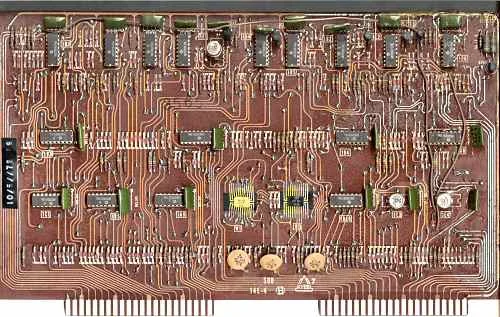
Ten circuit boards, each 320x200 mm / 12.5x8".
The logic and display boards hold a total of 284 individual transistors and 1500 diodes. The transistors are predominantly Toshiba 2SC371.
Magnetic core memory is used.
Dimensions 380 x 440 x 238 mm (15" x 17.3" x 9.4"),
Weight 12.3Kg (27lbs)